Top Trends in the Packaging Industry for Global Buyers?
In recent years, the packaging industry has seen significant changes. Experts like John Smith, a noted authority in sustainable packaging, believe, "Innovation is key to meeting consumer expectations." This sentiment is echoed across the industry, as buyers seek smarter and eco-friendly solutions.
Global buyers are now focusing on trends that emphasize sustainability, convenience, and technology. The push for biodegradable materials and smart packaging is reshaping how products are delivered. Innovations in packaging not only enhance user experience but also align with environmental goals. The demand for transparency in packaging is also rising, making it crucial for brands to communicate their values effectively.
However, the packaging industry faces challenges. Balancing sustainability with cost-effectiveness can be tricky. Some companies may struggle to keep up with rapid advancements. Keeping pace with changing consumer preferences requires continuous adaptation. Embracing these trends is essential for success and long-term growth.
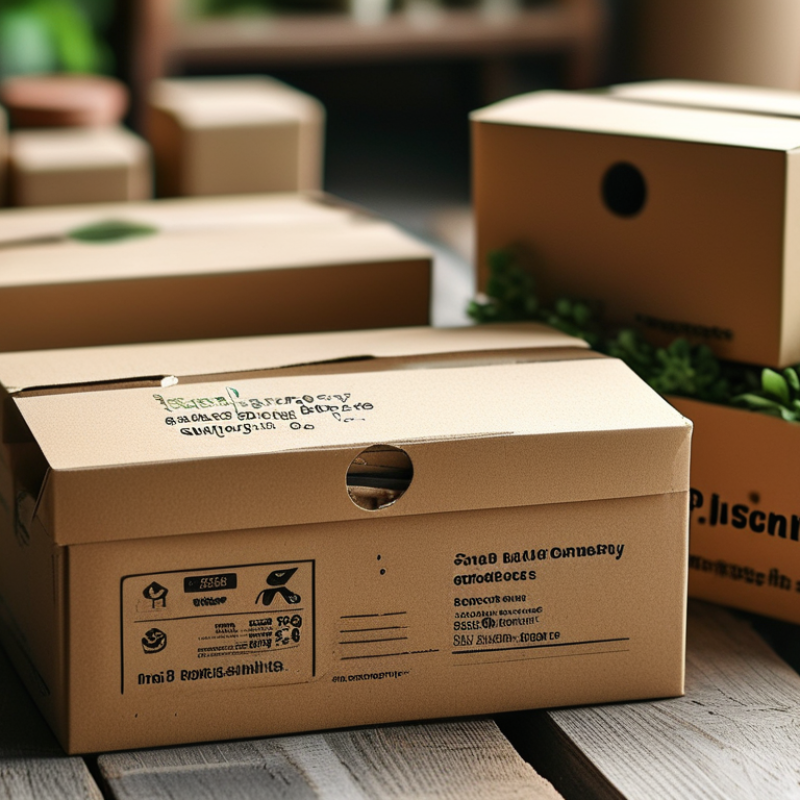
Key Innovations Driving Change in the Packaging Industry
The packaging industry is experiencing significant innovations that are transforming global supply chains. By 2026, the global packaging market is projected to reach USD 1 trillion, driven by sustainability and technological advancements. A recent study indicates that 72% of consumers prefer sustainable packaging, pushing businesses to adopt eco-friendly materials.
Smart packaging is one of the standout trends. This innovation includes QR codes and sensors that provide real-time information about a product. Research from Smithers reveals that the smart packaging market will grow at a CAGR of 6.3% through 2025. While exciting, this technology raises questions about data security and privacy.
Another area of focus is automation in packaging processes. Automated machinery increases efficiency but requires skilled labor for operation. In fact, a report by PMMI estimates that automated packaging solutions can reduce costs by up to 30%. However, not all companies can afford such investments initially, highlighting a gap in the market that needs addressing. These changes are promising, yet they also highlight challenges that require careful navigation.
Sustainability and Eco-Friendly Materials in Packaging Solutions
The packaging industry is undergoing a significant transformation, focusing on sustainability and eco-friendly materials. Many businesses now prioritize biodegradable options. This shift is driven by consumer demand for greener solutions and environmental responsibility. As awareness of plastic pollution grows, companies are prompted to innovate.
Recycled materials are gaining popularity. They provide an effective way to reduce waste and conserve resources. Brands that adopt these materials often experience a positive consumer response. However, the challenge lies in balancing cost and quality. It’s essential to maintain product integrity while being eco-conscious.
Tips: Consider using compostable packaging to appeal to eco-minded customers. Evaluate local suppliers of sustainable materials to reduce carbon footprints. Regularly assess your packaging strategies to ensure they align with evolving sustainable practices. The packaging landscape is continuously changing; staying adaptive is crucial for long-term success.
The Rise of Smart Packaging Technologies and Their Impact
The packaging industry is experiencing a significant shift with the rise of smart packaging technologies. These innovations incorporate sensors and QR codes that provide real-time data about products. This interactivity enhances consumer engagement by fostering a direct connection between customers and brands. The immediate feedback can improve purchasing decisions and elevate user experience.
However, the implementation of smart packaging isn't without challenges. Costs may rise as manufacturers invest in new technologies. Not all consumers are familiar with scanning features. Some may find it inconvenient or unnecessary. This can lead to a gap between those who embrace technology and those who remain skeptical. Balancing innovation with user accessibility is crucial.
Environmental considerations also play a role in this trend. Consumers are increasingly concerned about sustainability, prompting a demand for eco-friendly smart packaging options. This can lead to a conflict between advanced packaging features and the need for minimal environmental impact. As the industry evolves, finding solutions that fulfill both requirements will be essential in maintaining consumer trust and loyalty.
Top Trends in the Packaging Industry for Global Buyers - The Rise of Smart Packaging Technologies and Their Impact
| Trend |
Description |
Impact on Industry |
Future Outlook |
| Smart Packaging |
Integration of technology to monitor and enhance product experience. |
Improves consumer engagement and product lifecycle management. |
Expected to grow with the advancements in IoT and mobile tech. |
| Sustainable Packaging |
Use of eco-friendly materials and designs to minimize environmental impact. |
Promotes recycling and reduces carbon footprint. |
Increasing demand as consumers prioritize sustainability. |
| Minimalist Design |
Simplicity in design to enhance visibility and effectiveness. |
Attracts consumer attention and reduces waste. |
Expected to remain popular for brand differentiation. |
| Personalization |
Customized packaging solutions based on consumer preferences. |
Enhances customer loyalty and brand identity. |
Growing trend as digital printing technology advances. |
| Smart Labels |
Labels that offer interactivity with consumers through digital channels. |
Enhances traceability and provides product information easily. |
Predicted to grow in adoption as technology becomes cheaper. |
Consumer Preferences Shaping the Future of Packaging Design
Consumer preferences are significantly shaping the future of packaging design. Studies show that 72% of consumers prefer eco-friendly packaging. This trend drives brands to rethink their materials. Recyclable and biodegradable options are in demand. Examples include plant-based plastics and minimalistic designs. Brands must adapt to these preferences to stay relevant.
Moreover, personalization is emerging as a key factor. Research indicates that 60% of consumers enjoy customized packaging. Information like their name or tailored messages resonates with them. This creates a bond between the consumer and the product. However, brands face challenges in balancing personalization with production efficiency.
Transparency is another priority. A survey reveals that 70% of consumers want to understand the sourcing of packaging materials. This demand for information pressures companies to disclose their practices. Companies must ensure their claims are accurate to maintain trust. Misleading information can backfire, leading to consumer distrust. These evolving preferences indicate a need for constant reflection and adaptation in packaging strategies.
Global Regulatory Trends Affecting Packaging Compliance Standards
Packaging compliance standards are evolving rapidly due to global regulatory trends. These regulations aim to ensure safety and sustainability in packaging materials. Governments and organizations are implementing stricter rules regarding recyclable materials. Companies must stay informed to avoid penalties.
One important aspect is the shift towards eco-friendly packaging. Regulations are pushing manufacturers to minimize plastic usage. Biodegradable and compostable options are becoming more favored. This transition is essential, but it requires adjustments in production processes. Some companies may struggle to meet these new standards.
Additionally, labeling requirements are tightening. Clear, transparent information is essential for consumers. This includes ingredient lists, recycling symbols, and safety warnings. However, misinterpretation can lead to confusion among consumers. Companies must work to communicate effectively while adhering to regulations.
Top Trends in the Packaging Industry for Global Buyers
This chart displays the adoption rates of key trends in the packaging industry as observed by global buyers. Sustainable packaging leads the trend with a significant adoption rate, followed by smart and flexible packaging as demand continues to evolve in response to consumer preferences and regulatory changes.