Why Is Your Packaging Important for Global Buyers?
Packaging is often the first physical proof of a company’s reliability. Before buyers test the product, they examine the box, seal, label, and protective materials. A crushed corner can suggest weak logistics. A clear label can suggest careful management.
For global buyers, packaging must perform beyond visual appeal. It should protect products during loading, long-distance transport, storage, and final delivery. Moisture, vibration, temperature changes, and repeated handling can expose hidden weaknesses. A practical packaging review checks carton strength, internal cushioning, barcode readability, pallet stability, and opening convenience. Small details matter. A loose insert may damage a product. A difficult seal may frustrate warehouse staff.
The phrase “you packaging” may sound imperfect, but the idea remains important: buyers judge how seriously you package every order. Appearance helps, but performance builds trust. Sustainable materials can also support purchasing decisions when they remain durable and practical. However, reducing material without testing protection can create unnecessary damage and waste.
Experienced suppliers usually test packaging before large-scale shipment. They review samples, transport conditions, customer feedback, and failure points. Standards and labeling expectations may differ between markets, so reliable teams verify current destination requirements before shipping. No package is flawless. Even a carefully designed carton may fail under unusual conditions. That possibility deserves honest attention. Global buyers value suppliers who measure results, correct weaknesses, and improve packaging over time.
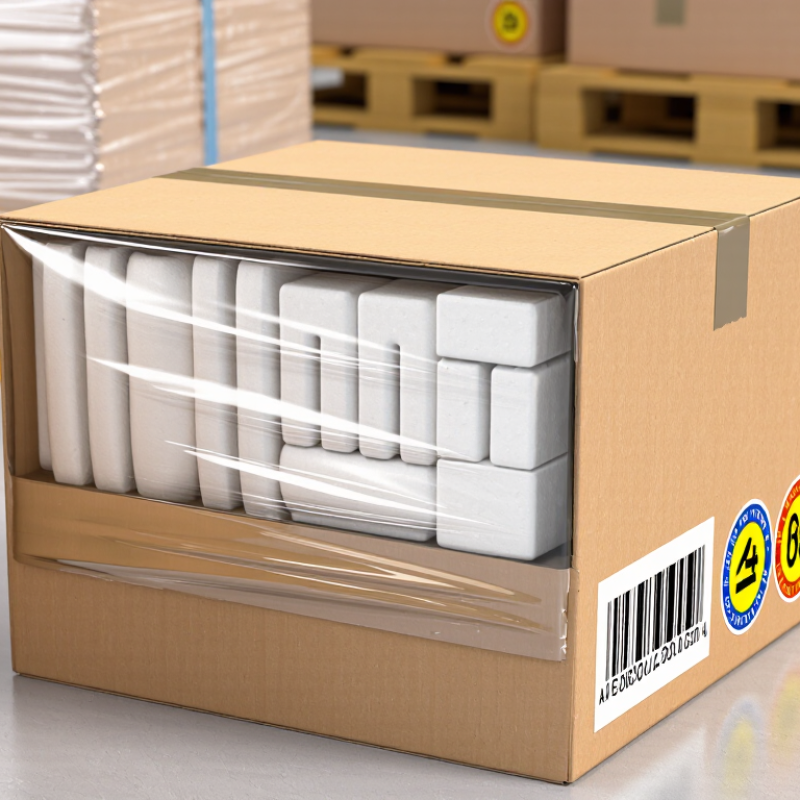
What Packaging Means to Global Buyers
What Packaging Means to Global Buyers
Global buyers read packaging as evidence of operational discipline. A crushed corner suggests weak protection before the product is even inspected. Clear dimensions, stable cartons, and moisture-resistant materials reduce damage during ocean, air, and warehouse handling. Packaging also communicates honesty. Accurate labels, readable instructions, and consistent product information make international purchasing feel less risky.
Sustainability now shapes that judgment. PwC’s 2024 Voice of the Consumer Survey found that 46% of consumers buy more sustainable products. The same report showed that consumers were willing to pay an average premium of nearly 10%. However, buyers do not want vague environmental claims. They look for practical details, such as reduced material use, recyclable components, and responsible sourcing information. It must be visible.
Cost still matters. A lighter package can reduce freight expenses, but excessive material reduction may weaken protection. That trade-off is easy to misjudge. IBM’s Institute for Business Value reported in 2020 that 57% of consumers were willing to change purchasing habits to reduce environmental impact. Yet intentions do not remove delivery expectations. A package that arrives wet, overfilled, or difficult to open damages trust. Global buyers often judge the entire supply chain through a single carton. Packaging should therefore protect the product, simplify handling, and prove that environmental promises have been considered carefully.
How Packaging Shapes Product Safety and Quality Perceptions
Why Is Your Packaging Important for Global Buyers?
How Packaging Shapes Product Safety and Quality Perceptions
Packaging is often the first quality check a global buyer performs. Before opening the product, buyers inspect seals, corners, labels, and protective layers. A crushed carton can suggest poor handling, even when the product inside remains usable. Moisture marks create doubt about storage conditions. Small details matter.
In export inspections, practical teams often check whether packaging survives vibration, stacking, humidity, and temperature changes. Strong cushioning reduces movement inside the box. Secure seals help reveal unwanted access. Clear batch information supports traceability and more confident quality checks. Readable instructions also reduce handling mistakes across different markets.
The package must protect the product and communicate control. It looks minor. But perception forms quickly. A polished design cannot compensate for a leaking container or missing information. One weakness can affect the buyer’s view of the entire shipment. Packaging tests should reflect real transport routes, not only clean warehouse conditions. That is where many plans fall short. We may overfocus on appearance and underestimate repeated impact. A better approach combines material testing, staff inspection, and feedback from buyers after delivery. Trust begins there.
Which Packaging Features Support International Shipping
Why Is Your Packaging Important for Global Buyers?
Which Packaging Features Support International Shipping
Global buyers expect packaging to survive more than a delivery van. It may face cranes, sea air, warehouse stacking, and repeated unloading. Strong packaging protects the product and reduces avoidable claims.
In practical export inspections, compression strength is often the first concern. Choose cartons that hold their shape under stacked weight. Add internal cushioning when products can shift or break. Moisture-resistant layers help during humid port transfers. However, more material is not always better. Oversized packaging increases freight costs and leaves products moving inside the box.
Clear identification also supports smoother international handling. Print the product code, quantity, destination, and handling instructions on visible panels. Use durable labels that resist scuffing and condensation. Barcodes should remain flat and readable after wrapping. Pallets need stable stacking, secure strapping, and corners that do not crush easily.
Packaging dimensions deserve careful checking. A box that fits a local truck may waste space in an international container. Measure the packed product, not only the item itself. Leave enough room for protection, but avoid empty volume. This balance is difficult. Sometimes, a cheaper carton creates higher damage costs later. A stronger design may still need revision after real shipping tests. Send sample packages through vibration, drop, and moisture simulations before large production runs. Document the results, including failures. That evidence helps buyers trust the packaging decisions.
How Packaging Communicates Across Languages and Cultures
Packaging speaks before a buyer reads a product page. In global trade, its colors, symbols, and instructions must travel across languages and cultures. A red label may suggest urgency in one market, but celebration in another. Images help, yet they are not universally clear. A pouring icon can confuse shoppers unfamiliar with that format. Small details matter.
In practical export reviews, teams often test packaging with local reviewers before printing thousands of units. They check translation, reading direction, measurement units, and opening instructions. A bilingual label should not simply repeat dictionary words. It should explain use naturally, with familiar terms and short sentences. Pictures should show quantity, texture, and handling when words may be misunderstood. Avoid jokes, gestures, and color assumptions. They can fail quietly.
Reliable packaging also earns trust through practical evidence. Include material information, storage conditions, batch references, and clear contact details where appropriate. Keep claims precise; “fresh” or “safe” may carry different expectations across regions. A readable type size helps older shoppers and busy warehouse workers. Test the box in real conditions: heat, moisture, rough handling, and repeated opening. One weakness remains easy to miss: translations can be accurate but culturally awkward. Reviewers should challenge every phrase, not approve it merely because it is grammatically correct. Packaging changes when real people hold it.
Why Is Your Packaging Important for Global Buyers?
Packaging communicates product information before a buyer opens the product. Clear language localization can improve understanding, trust, and purchase confidence across cultures.
The figures represent percentages from a global consumer language survey. Source: CSA Research, 2020 global consumer language survey.
Why Sustainable Packaging Influences Global Purchasing Decisions
Why Is Your Packaging Important for Global Buyers?
Sustainable packaging now influences global purchasing decisions before a buyer examines the product itself. Procurement teams often inspect material choices, recycling instructions, and shipping efficiency. A heavy box can increase transport emissions and storage costs. A smaller package may reduce both.
Clear evidence matters. Buyers may request recycled-content percentages, sourcing records, and practical disposal guidance. Vague claims create doubt. In supplier evaluations, a readable label often feels more trustworthy than a polished environmental slogan. Packaging should also protect the product through humid warehouses, long-distance transport, and repeated handling. Damage creates waste, even when the package looks environmentally responsible.
There is no perfect solution. Recycled paper may need extra protection from moisture. Compostable materials can confuse customers when local facilities cannot process them. Reusable packaging may require costly return systems. These limits deserve honest discussion. A useful design balances material reduction, product safety, local recycling systems, and realistic customer behavior.
Small details affect confidence. A box that opens without excessive tape feels considered. A single-material pouch can simplify sorting. Printed disposal instructions should match the destination market. Global buyers notice these details because they signal operational care, not just environmental ambition. Sustainable packaging is becoming part of supplier credibility, although many companies still measure appearance more carefully than actual end-of-life performance.