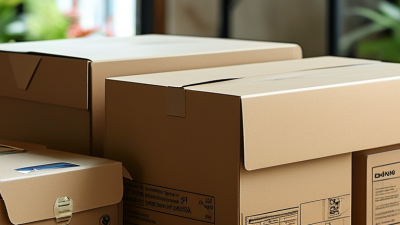
10 Best Carton Box Packaging Suppliers for Global Buyers
Global buyers are reassessing carton box packaging as shipping costs, sustainability demands, and product protection become closely connected. Corrugated boxes remain practical because they are lightweight, stackable, printable, and widely recyclable. Yet, practical does not mean automatically reliable.
Smithers’ “The Future of Corrugated Packaging to 2029” projects continued growth in the global corrugated packaging market, supported by e-commerce, food delivery, and consumer goods distribution. The report also highlights pressure for lighter materials, improved performance, and more sustainable fibre solutions. These trends influence how international buyers evaluate carton suppliers.
The World Packaging Organisation’s sustainability guidance also stresses resource efficiency, recyclability, responsible sourcing, and packaging performance. These factors matter when boxes travel through humid warehouses, crowded ports, and automated fulfilment centres. A carton that fails during transit creates more than a replacement cost. It may damage products, delay orders, and weaken customer trust.
This guide presents ten carton box packaging suppliers serving global buyers. The comparison considers manufacturing capacity, material options, printing quality, customisation, testing procedures, certifications, export experience, and communication standards. Sample approval matters. So does proof of consistent production.
A low quotation can hide costly weaknesses. A polished website proves very little. Buyers should request compression data, flute specifications, paper grades, moisture resistance details, and realistic lead times. No shortlist is flawless. Supplier performance can vary by factory, season, and order volume. Careful verification remains essential before signing a large international contract.

Understanding Carton Box Packaging and Global Buyer Requirements
Global buyers need more than a carton box that looks strong in a factory sample. Packaging must survive stacking, humidity, vibration, customs handling, and different warehouse conditions. Corrugated board usually combines liner paper with fluting, creating cushioning and structural support. However, heavier board is not always better. Poor flute selection can increase cost without improving protection.
According to Smithers’ The Future of Global Corrugated Packaging to 2029, the global corrugated packaging market was valued at over 200 billion US dollars in 2023. The report also identifies e-commerce and food distribution as important growth areas. This growth raises practical demands for carton box packaging suppliers. Buyers should request edge crush test results, burst strength data, moisture resistance details, and verified dimensions. Small errors matter. A box measuring only a few millimeters too small may damage products or increase filling material.
International sourcing also requires clear specifications. Provide product weight, pallet patterns, loading limits, printing requirements, and shipping routes before quotation. The International Safe Transit Association recommends testing packaging under realistic transport conditions, not only in controlled laboratories. That advice is often overlooked. A box may pass a compression test but fail after overnight exposure to damp air. Suppliers should explain recycled content, paper sources, tolerances, and quality inspection procedures. Independent pre-shipment inspection can improve reliability, although it cannot replace proper packaging tests.
Key Criteria for Evaluating International Carton Box Suppliers
Key Criteria for Evaluating International Carton Box Suppliers
Choosing an international carton box supplier requires more than comparing unit prices. Begin with material performance. Request samples matching your expected load, product weight, and shipping route. Check flute structure, board thickness, burst strength, and edge crush resistance. A box that looks sturdy may collapse after several days in humid transit.
Ask for production records, quality procedures, and traceability documents. Reliable suppliers should explain how they control moisture, dimensions, printing accuracy, and adhesive consistency. Factory audits or live production inspections can reveal storage problems that brochures never show. Confirm testing methods and request recent reports from independent laboratories when possible.
Logistics capability matters equally. Review minimum order quantities, lead times, export experience, packing methods, and communication speed. Ask how the supplier handles damaged cartons, late shipments, or design changes. Environmental claims need evidence, such as recycled content records or recognized certifications. Do not accept vague promises.
No scorecard is perfect. A low-cost supplier may offer excellent samples but struggle with repeat orders. I would place a controlled trial order before committing to annual volume. That step costs time, but it exposes weak forecasting, inconsistent board quality, and unclear responsibility. Supplier evaluation should remain active after delivery, not end with the purchase contract.
Comparing Product Quality, Pricing, Capacity, and Delivery
When comparing carton box packaging suppliers, global buyers should test quality before negotiating price. The Smithers market outlook places global corrugated packaging demand on a strong growth path through 2029. This growth increases supplier choices, but quality still varies. Ask for board grade, flute type, edge crush test results, moisture resistance, and print tolerance. A box may look sturdy yet collapse under a 20-kilogram load. Request samples made on the same production line. Laboratory certificates help, but real handling experience matters more.
Pricing should include board costs, tooling, printing, packing, freight, and possible storage fees. A low quotation can hide weak paper, higher damage rates, or expensive minimum orders. The International Trade Centre notes that logistics costs remain an important factor in export competitiveness. Compare delivered cost, not factory price. Capacity also needs evidence. Review monthly output, spare machine availability, quality-control staffing, and peak-season allocation. A supplier promising unlimited capacity deserves careful questioning. Delivery dates are not guarantees.
Tips: Build a small pilot order first. Measure compression strength, dimensions, odor, and carton damage after transport. Ask for a written production schedule with inspection points. Keep two approved suppliers when shipment continuity matters. Some buyers overvalue automation and undervalue communication. That is a mistake worth reconsidering. Use independent pre-shipment inspections for high-volume orders, especially when packaging protects fragile or moisture-sensitive goods.
How Global Buyers Can Select the Right Packaging Supplier
Choosing among the 10 best carton box packaging suppliers requires more than comparing prices. Global buyers should examine material quality, production capacity, and export experience. Request recent samples, not only photographs. Check board thickness, edge strength, folding accuracy, and print consistency. A box should survive stacking, humidity, and repeated handling during long-distance transport.
Tips: Ask for compression and moisture-resistance test reports. Confirm minimum order quantities, tooling fees, lead times, and payment terms in writing. Inspect the production site through an independent audit when possible. A polished sample can hide weak batch control. I have seen attractive packaging fail because its inner dimensions were slightly wrong.
Reliable suppliers explain their quality process clearly. They should identify paper sources, inspection points, and corrective procedures. Verify whether their documents match the actual factory location and equipment. Communication also matters. Slow answers today may create costly delays later. Request a pilot order before committing to large volumes. No supplier is perfect. The better choice is one that admits limitations, measures performance, and responds with evidence. This approach supports consistent packaging, safer delivery, and fewer surprises across international markets.