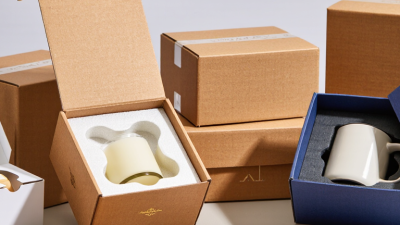
10 Best Packing Boxes for Shipping and Moving
A shipping box can look sturdy on a store shelf and still fail after a rough handoff. A packing box must fit the item, cushion its weak points, and withstand stacking, carrying, and changes in handling. For this guide, packaging author Walter Soroka’s work offers a useful principle: choose packaging by considering the product and its distribution demands together. That is a paraphrase, not a direct quotation.
Small details matter. A box that is too large lets a ceramic mug knock against its walls; one that is too tight leaves little room for padding. Corrugated strength, box dimensions, closure quality, and the weight of the contents all affect the result. Moving adds another test: boxes may be lifted repeatedly, placed in a vehicle, and stacked in a crowded room. A convenient handle can help, but only if it suits the load.
There is no single best box. Not even close. The right choice depends on what you are packing, how far it will travel, and how it will be handled. In the list ahead, we compare ten options for shipping and moving, from compact cartons for books to sturdier choices for heavier household items. We also consider practical trade-offs, including price, storage space, and ease of sealing. Some recommendations may seem less obvious; that is worth questioning. A box can be strong yet awkward, or affordable yet poorly sized. The goal is simple: protect the contents without paying for strength you do not need.

Types of Packing Boxes for Shipping and Moving
Corrugated cardboard cartons suit most household shipments. Single-wall boxes work well for clothing, toys, and other light items. Double-wall cartons offer extra resistance to crushing, making them a better choice for books or heavier kitchenware. Match the box to the load, not just the object’s size. A carton that feels sturdy when empty may sag under tightly packed dishes.
Small boxes are easier to lift when filled with dense items such as books. Medium boxes fit pots, pantry goods, or folded towels. Large boxes are best for light, bulky belongings like bedding. Keep it snug. Too much empty space lets items shift, while an overfilled box can split at the seams. Use paper or other cushioning to fill gaps, and check that the flaps close without force.
Some belongings need specialty boxes. Wardrobe cartons include a hanging bar for clothes, while picture and mirror cartons use long, narrow panels to protect flat items. Dish boxes often have dividers that separate plates and glasses. These features help, but they cannot replace careful packing. I would still inspect each box after filling; a neat fit can hide pressure on a fragile corner. Reusable plastic crates are another option for local moves, though their shapes may not suit every shipment.
Key Features That Make a Box Reliable
A reliable packing box starts with sound corrugated walls. The fluted layer cushions impacts, while the outer liners resist punctures and scuffs. For books or kitchenware, a single-wall box may be enough when its weight rating suits the load. Heavier items often need double-wall construction. More layers help, but they do not make a box indestructible.
Check the corners and bottom seam before packing. A loose flap or crushed edge can weaken the whole box. Apply packing tape across the center seam and extend it over both edges; for heavier loads, reinforce the bottom with another strip. Keep boxes dry. A box can look sturdy and still fail at a damp seam. That detail is easy to miss.
Choose dimensions that leave room for cushioning without letting contents slide around. A snug fit matters. Fill gaps with clean packing material, and avoid making one box so heavy that its base bows when lifted. The printed weight limit is a useful guide, not a guarantee for every handling condition. Inspect reused boxes for soft spots, old tears, and compressed corners. I would not trust a box just because it held up once; wear can hide along the bottom.
How to Choose the Right Box for Each Item
Choosing the right shipping or moving box begins with the item, not the stack of boxes.
Measure the object and allow room for cushioning, but avoid excessive empty space. Books and tools need sturdy, small boxes because their weight adds up quickly. A box that feels manageable is easier to lift and less likely to split at the bottom. It wastes less space, too. Keep heavier items near the base and lighter items above them. For clothing or linens, larger boxes can work well, provided they are not packed until awkwardly heavy.
Fragile items need a snug fit, not a tight one. Wrap each piece separately, then fill gaps with crumpled paper or another suitable cushioning material. Give the box a gentle shake; if something shifts, add more padding. For lamps, framed pictures, or oddly shaped belongings, choose a box that protects the most delicate edges and corners. Check the seams and flaps before packing, since worn or damp cardboard may not hold its shape. I still find that judging box size by eye can be misleading. A quick measurement often prevents a frustrating repack.
Packing Boxes to Reduce Damage During Transit
A box can look sturdy and still fail when it is dropped, stacked, or squeezed in a delivery van. Choose a size that leaves room for cushioning without letting the contents slide around. Heavy items belong in small boxes; books packed in a large carton can strain its bottom seams. Double-wall boxes can offer added protection for heavier or fragile loads, but sound construction matters more than a label.
Wrap each fragile item separately, then fill gaps with crumpled paper or other cushioning material. Nothing should rattle when you gently shake the closed box. Keep dishes upright, cushion the corners, and avoid placing heavy objects on top of delicate contents. Tape the bottom seam and edges securely. It is easy to overestimate how much padding is enough; check the fit before sealing. A quick shake is useful, not a guarantee.
For moving, keep boxes dry and avoid stacking them higher than their shape can support. Place heavier cartons at the bottom and lighter ones above. A box that bows under pressure is already telling you something. Replace it or reduce its load, even if that means using an extra carton. Mark fragile contents clearly, but do not rely on labels alone. Careful packing does more to reduce transit damage.
Comparing Box Options for Different Moving Needs
Choosing a box is less about finding one “best” size and more about matching the box to the load. Small, sturdy cartons suit books, tools, and canned food; large cartons work better for light bedding and cushions. Dish or cell-divider boxes help keep glassware apart, while wardrobe boxes protect hanging clothes but take up more truck space. For parcel shipping, use a close-fitting corrugated carton with cushioning around the item. Oversized boxes can let contents shift, and excess filler adds bulk. A useful benchmark: the U.S. Environmental Protection Agency estimated that 41.9 million tons of paper and paperboard packaging were generated in 2018, with about 79.8% recycled. Reuse sound cartons, but avoid boxes with damp corners or crushed seams.
Tips: Put heavy items in small boxes. Press the base firmly, then add a strip of tape across the center seam. Label the room and mark fragile contents on two sides.
Mixed box sizes usually make loading easier, though the plan may need adjusting once furniture is packed. Measure bulky items before choosing cartons; a lamp shade may need a taller box than expected. Double-wall cartons can add protection for heavy or delicate goods, but they are not a substitute for cushioning or a snug fit. Test each packed box with a short lift: if the bottom bows or the contents slide, repack it. A little extra time here can prevent broken dishes and awkward carrying.