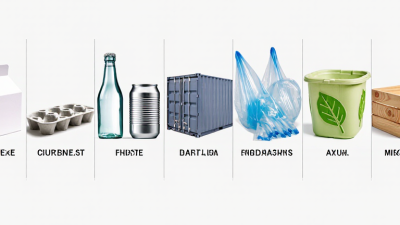
China has become a major sourcing base for boxes, flexible films, bottles, labels, and protective packaging. For global buyers, the challenge is not finding suppliers. It is finding dependable partners.
Smithers’ 2024 market outlook places the global packaging industry above US$1 trillion. Its analysis also highlights e-commerce, sustainability, and material efficiency as major growth forces. These trends affect every purchasing decision, from carton thickness to shipping protection. PMMI industry reports similarly identify automation, labor efficiency, and flexible production as important packaging priorities.
This guide reviews China’s top ten packaging suppliers for our packaging needs. The selection considers manufacturing capability, material options, quality systems, export experience, customization, and communication. A supplier may offer attractive pricing, yet weak inspection controls can create costly problems. Printed colors may drift. Cartons may crush at the corners. A beautiful sample can still hide inconsistent mass production.
Real verification matters.
Buyers should request recent factory evidence, product specifications, test results, and clearly defined tolerances. Certifications can support credibility, but they should be checked against the actual facility and product scope. Environmental claims also require careful review, because “recyclable” does not always mean widely recyclable in the buyer’s market.
Some rankings remain subjective. Supplier performance can change with new equipment, staff turnover, or order volume. Therefore, this list should support due diligence, not replace it. The strongest supplier is not always the largest one. It is the partner that repeatedly delivers safe, compliant, attractive packaging at the agreed standard.
China Top 10 Packaging Suppliers for Our Packaging Needs
Packaging Industry Overview in China
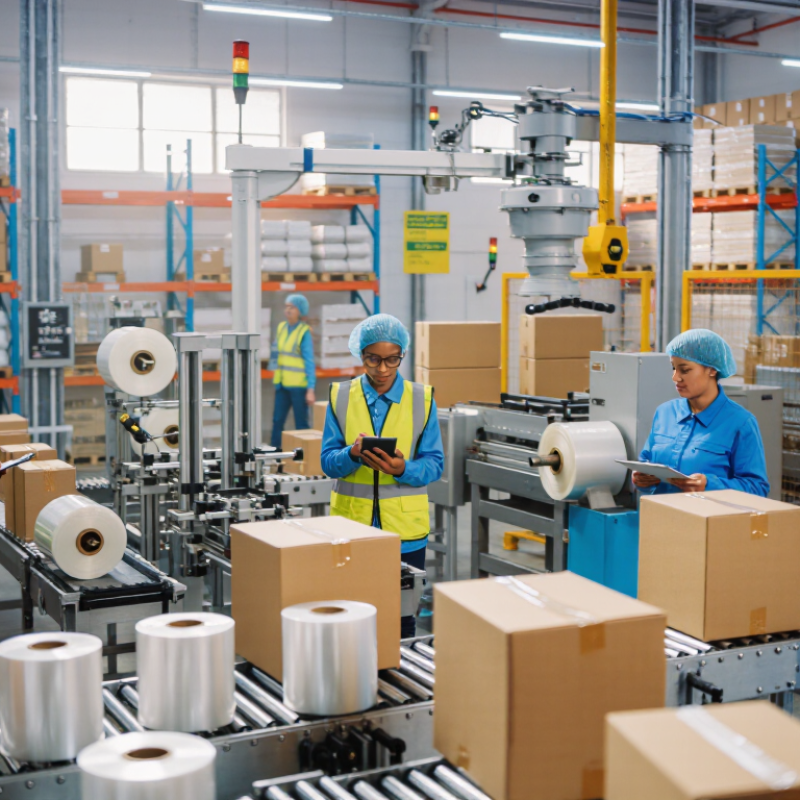
China’s packaging industry serves food, beverages, electronics, cosmetics, medical products, and online retail. Its scale supports flexible production, quick tooling, and competitive manufacturing costs. Major production clusters connect material mills, printing houses, converters, and assembly workshops. This network can shorten development time. It can also complicate supplier verification.
In practical supplier evaluations, buyers should inspect material sourcing, factory controls, and sample consistency. A reliable supplier explains thickness, barrier performance, ink systems, and sealing limits clearly. Quality teams often review incoming materials, production records, color proofs, and final inspections. Certifications help, but they never replace on-site evidence. Ask for batch traceability and test reports linked to the actual shipment.
Sustainability is reshaping purchasing decisions across China. Lightweight films, recycled content, paper-based structures, water-based inks, and mono-material designs are receiving more attention. Yet recycling claims need careful review. Local collection systems differ widely. A package may be technically recyclable but rarely recycled in practice. That gap deserves honest discussion. The industry continues adopting automation, digital printing, and data-based production control, although smaller factories may still rely on manual checks. Those checks can work. They need discipline. For packaging needs, the strongest supplier shortlist balances capacity, technical evidence, communication speed, compliance, and realistic environmental performance.
China’s express delivery volume increased from 83.36 billion parcels in 2020 to approximately 174.5 billion parcels in 2024. This sustained growth reflects expanding demand for corrugated cartons, flexible packaging, protective materials, labels, and other logistics-related packaging products. Data source: China State Post Bureau annual industry statistics.
Choosing among Chinese packaging suppliers requires more than comparing unit prices. In my sourcing experience, clear specifications prevent expensive surprises. Check material thickness, print tolerance, sealing strength, and minimum order quantities. Request production samples, not only digital artwork. Samples reveal weaknesses. A low quotation may hide higher inspection, storage, or shipping costs.
Sustainability should be tested with evidence, not attractive language. The OECD reported that global plastic waste reached 353 million tonnes in 2019, with only 9% recycled. Therefore, ask suppliers for material declarations, recycled-content records, and verified recyclability claims.
The Smithers report, The Future of Sustainable Packaging to 2028, identifies recyclability and downgauging as major market priorities. However, recyclable packaging can still fail when local collection systems are limited. This point is often overlooked.
Quality systems deserve equal attention. Review documented inspections, corrective-action procedures, and batch traceability. The PMMI report Packaging Compass 2024 highlights automation, labor efficiency, and supply-chain resilience as important packaging concerns. Ask whether suppliers maintain backup materials and realistic lead-time plans. An audit or video inspection can confirm factory conditions, but neither guarantees every shipment. I have seen excellent samples followed by inconsistent mass production. That risk deserves a written control plan, agreed tolerances, and independent testing for food-contact or other regulated applications. Supplier communication matters too. Slow replies often become slow solutions.
China’s Top 10 Packaging Suppliers
China’s top 10 packaging suppliers serve industries such as food, cosmetics, electronics, and household goods. Their capabilities vary widely, so a ranking should not rely on factory size alone. During supplier evaluations, I review material quality, production capacity, printing accuracy, and export experience. A reliable supplier should provide clear specifications, test reports, and realistic delivery schedules.
Packaging samples reveal important details. Check whether cartons remain firm after stacking. Inspect pouch seals, bottle threads, labels, and protective inserts. Ask for production samples before approving a large order. Suppliers with modern equipment may offer flexible customization, lower waste, and stable color matching. However, advanced machinery does not guarantee careful quality control. Human inspection still matters.
Look beyond the quoted unit price. Compare tooling fees, packaging tests, shipping terms, and minimum order quantities. Confirm whether materials meet the destination market’s safety requirements. Communication also deserves attention. Slow replies can become costly during artwork changes or urgent corrections. I have found that a detailed purchase specification prevents many disputes. Still, no supplier is perfect. Minor color differences may appear between samples and mass production. A written approval process can reduce, but not eliminate, that risk. The strongest choices balance technical expertise, transparent communication, consistent inspections, and practical service.
China’s leading packaging suppliers now offer more than standard boxes and bags. They develop complete solutions for food, cosmetics, electronics, and household products. Common options include corrugated cartons, rigid boxes, flexible pouches, paper tubes, protective inserts, and reusable shipping packs. Many suppliers also support structural design, artwork preparation, sampling, and mass production. A reliable partner should explain material grades clearly. They should also provide measurable details, such as compression strength, moisture resistance, dimensions, and production tolerance.
Practical sourcing experience shows that samples reveal problems early. A box may look attractive but collapse during warehouse stacking. A glossy coating may also affect recycling or printing quality. Suppliers with stronger technical teams can adjust board thickness, closure styles, cushioning, and surface finishes. Ask for pre-production samples and independent test records when possible. Certification claims need verification. Do not rely on a logo printed in a brochure.
Tips: Define the product weight, shipping route, storage conditions, and target budget before requesting quotations. Ask suppliers to separate tooling, sampling, freight, and unit costs. Compare identical specifications, not only the lowest price. Keep one approved sample for future inspections. Small details matter. Even experienced buyers sometimes overlook barcode contrast, opening force, or carton odor. A short pilot order can expose these weaknesses before a larger commitment.
| Rank | Supplier Profile | Primary Packaging Solutions | Common Materials | Typical Applications | Customization | Sustainability Options | Typical Production Lead Time |
|---|---|---|---|---|---|---|---|
| 01 | Flexible Packaging Specialist | Stand-up pouches, flat pouches, sachets, roll stock, and laminated film | PE, PET, BOPP, CPP, aluminum foil, and paper laminates | Food, pet food, personal care, and household products | High | Recyclable mono-material and reduced-gauge films | 20–35 days |
| 02 | Corrugated Shipping Specialist | Shipping cartons, mailer boxes, die-cut cases, and protective inserts | Kraft paper, testliner, fluting paper, and recycled board | E-commerce, electronics, appliances, and logistics | High | Recycled fiber, water-based inks, and lightweight board | 10–25 days |
| 03 | Rigid Box Manufacturer | Set-up boxes, magnetic boxes, drawer boxes, and presentation cases | Paperboard, greyboard, specialty paper, fabric, and rigid laminates | Luxury goods, cosmetics, gifts, electronics, and promotional kits | Very high | FSC-certified paper options and plastic-free structures | 25–45 days |
| 04 | Paper Bag and Retail Packaging Specialist | Shopping bags, takeaway bags, gift bags, and paper sleeves | Kraft paper, coated paper, recycled paper, cotton rope, and paper handles | Retail, food service, fashion, events, and hospitality | High | Recycled paper, soy-based inks, and plastic-free handles | 15–30 days |
| 05 | Plastic Container Manufacturer | Bottles, jars, tubs, closures, caps, and dispensing containers | PET, HDPE, PP, LDPE, and post-consumer recycled resin | Cosmetics, personal care, cleaning products, and food | High | PCR resin, lightweight designs, and refillable formats | 30–60 days |
| 06 | Glass Packaging Specialist | Glass bottles, jars, vials, closures, and decorative glass containers | Clear, amber, green, and colored soda-lime glass | Beverages, food, cosmetics, fragrance, and pharmaceuticals | Medium to high | Recycled glass content and reusable container formats | 35–75 days |
| 07 | Metal Packaging Manufacturer | Tinplate cans, aluminum tins, aerosol containers, and metal lids | Tinplate steel, aluminum, and coated metal sheets | Food, beverages, cosmetics, chemicals, and promotional products | High | Recyclable metal, low-VOC coatings, and downgauged material | 30–60 days |
| 08 | Molded Pulp Packaging Supplier | Protective trays, corner guards, end caps, and product inserts | Recycled paper fiber, bamboo fiber, sugarcane fiber, and molded pulp | Electronics, cosmetics, food service, appliances, and fragile goods | High | Compostable fiber structures and plastic-free cushioning | 25–50 days |
| 09 | Thermoformed Packaging Supplier | Blister packs, clamshells, trays, inserts, and display packaging | PET, RPET, PVC, PP, and biodegradable sheet materials | Hardware, electronics, toys, medical supplies, and retail goods | High | Recycled PET, recyclable mono-materials, and lightweighting | 20–45 days |
| 10 | Sustainable Specialty Packaging Supplier | Compostable bags, fiber-based packs, reusable packaging, and hybrid formats | Paper, molded fiber, bio-based polymers, cotton, jute, and recycled textiles | Organic food, apparel, subscription boxes, events, and eco-focused products | Very high | Compostable, recyclable, reusable, and plastic-reduction designs | 25–55 days |
Choosing among China’s top packaging suppliers requires more than comparing quoted prices. Start with your product’s actual conditions: dimensions, weight, moisture exposure, stacking method, and shipping route. A rigid carton may protect glass items, while a lighter mailer can reduce freight costs for soft goods. Ask for material specifications, production tolerances, and recent quality records. Photos help, but physical samples reveal board stiffness, print accuracy, odor, and glue strength.
A capable supplier should explain its process clearly, from artwork approval to pre-shipment inspection. Request a written timeline with sampling, tooling, production, and delivery milestones. Clarify minimum order quantities and how defects are handled. Do not accept vague promises. For large orders, use a pilot batch and inspect random cartons under consistent lighting. Check dimensions with a ruler, compression resistance, barcode readability, and performance after transport simulation. An independent inspection can add confidence when your team cannot visit the factory.
Communication quality is an operational test. A supplier that asks precise questions may prevent expensive revisions later. Evaluate response speed, technical English, change control, and willingness to document decisions. Review factory capacity, equipment maintenance, worker safety practices, and material traceability. Samples can mislead. I have seen attractive samples fail because production used thinner paper. That risk is easy to underestimate. Build approval around measurable standards, not personal trust alone. Still, no checklist catches everything. Leave room for a second review when results look unusually perfect.