Why Choose Shrink Sleeves for Your Packaging Needs?
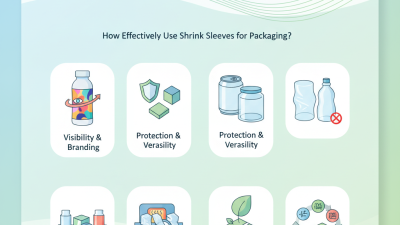
In today’s competitive market, packaging plays a vital role in product presentation. Among various packaging options, shrink sleeves stand out for their versatility and appeal. With the ability to conform to any shape, shrink sleeves enhance visual branding and product protection. They can be customized in various sizes, colors, and designs, ensuring your product captures attention on the shelves.
Shrink sleeves not only provide a tight fit but also offer tamper evidence, which boosts consumer trust. They are produced from materials that are durable yet lightweight, making them cost-effective in both production and shipping. This balance of quality and affordability makes shrink sleeves a popular choice for many businesses.
However, it’s important to consider the correct application of shrink sleeves for optimal results. Poor application can lead to unsatisfactory visuals or even product damage. It highlights the need for expertise in choosing the right materials and techniques. Understanding these nuances can significantly impact your product's market success.
Benefits of Using Shrink Sleeves for Packaging Solutions
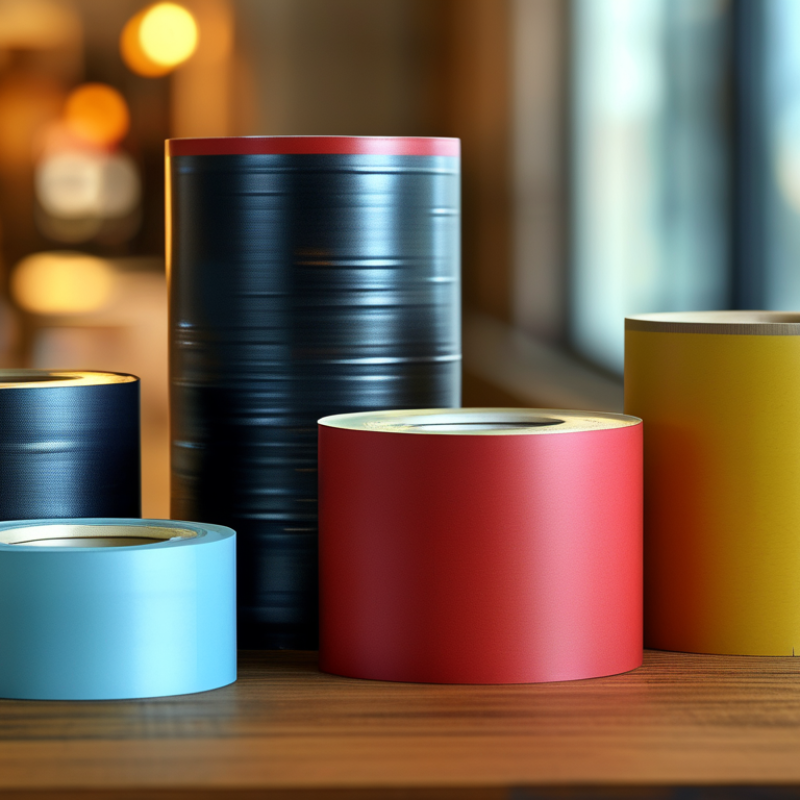
Shrink sleeves are becoming a preferred choice in the packaging industry for multiple reasons. They conform tightly to various product shapes. This ensures enhanced visibility and aesthetics on store shelves. According to a recent survey by Smithers Pira, the shrink sleeve market is projected to reach $3.5 billion by 2025, which indicates a substantial shift towards this type of packaging.
One significant advantage of shrink sleeves is their ability to offer tamper-evident and leak-proof seals. This feature not only boosts consumer confidence but also ensures product longevity. As per data from Packaging Insights, 65% of consumers feel more secure purchasing products with tamper-evident features. Additionally, shrink sleeves can be printed using advanced techniques that highlight brand messaging. This allows brands to stand out in competitive markets.
However, not all applications are ideal for shrink sleeves. Certain products may require specialized packaging solutions that shrink sleeves cannot provide. Factors such as material compatibility and exposure to temperature extremes should be considered. Evaluating these aspects can lead to better decision-making when selecting packaging types. Adapting to the specific needs can enhance both product protection and consumer appeal.
Types of Products Suited for Shrink Sleeve Packaging
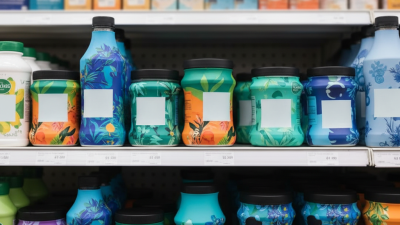
Shrink sleeve packaging is highly versatile. It efficiently conforms to various shapes and sizes. This technique is ideal for products like beverages, cosmetics, and food items. The shrink sleeves provide 360-degree coverage, allowing for vibrant designs and informative labels. This feature is especially beneficial for branding, as it can attract consumer attention.
Many household items also benefit from shrink sleeve packaging. Cleaning products, personal care items, and even small electronics are becoming popular choices. The durable material protects against moisture and tampering. However, consideration must be given to how these materials are disposed of post-use. It’s essential to think about environmental impact.
Another consideration is the adaptation of shrink sleeving in various industries. For example, promotional items often use shrink sleeves for limited-time offers. They can also be used in combination packaging, providing additional visibility on shelves. Yet, businesses should remain aware that not all shrink sleeve materials are equally sustainable. It’s a balancing act between attractive packaging and environmental responsibility.
The Shrink Sleeve Printing Process Explained
Shrink sleeve printing is a unique method used for packaging that combines functionality with aesthetic appeal. The process involves applying a heat-sensitive sleeve to the product container. When heat is applied, the sleeve shrinks tightly around the container. This ensures a snug fit, enhancing product protection and minimizing the chance of tampering. The result is a seamless, full-color design that wraps around the container, which can significantly improve shelf appeal.
The shrink sleeve printing process begins with designing the artwork. This stage allows brands to showcase their identity. The artwork is printed on a special film, which can be of various materials, including PVC, PET, or PLA. After printing, the sleeves are cut and prepared for application. Heat tunnels or shrink ovens are common tools used in this stage to activate the shrinkage. It's essential to ensure proper temperature control, as overheating can lead to distortion, affecting the design's clarity. Notably, if the film isn't of high quality, the final product may not meet expectations.
While shrink sleeves provide many benefits, there are challenges involved. Not every product is compatible with shrink sleeves. If the material of the container isn't suitable, the sleeve may not adhere properly. Additionally, choosing the wrong type of film could lead to issues during the shrinking process. These factors should be thoughtfully considered to achieve optimal results.
Comparing Shrink Sleeves to Other Packaging Methods
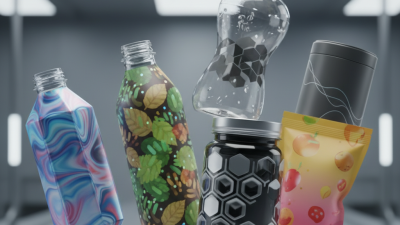
When exploring packaging options, shrink sleeves stand out for their versatility. Unlike rigid packaging, shrink sleeves adapt easily to various shapes and sizes. This flexibility allows brands to present their products attractively. Additionally, shrink sleeves often provide 360-degree branding visibility. This feature is crucial for capturing consumer attention on crowded shelves.
However, it is important to consider the drawbacks. Shrink sleeves may not provide the same level of protection as rigid packaging. In some cases, they can be less eco-friendly, as disposal and recycling can be issues. Moreover, the application process requires careful handling. Mistakes during installation can lead to wrinkles or misalignment.
In comparison to other methods, such as labels or rigid containers, shrink sleeves offer an interesting mix of benefits and challenges. Labels may lack the full coverage that shrink sleeves provide. Rigid containers, while durable, often come with higher shipping costs. So, it’s essential to weigh the options based on product needs and consumer expectations. Each packaging method has its merits and shortcomings, guiding brands in making informed choices.
Why Choose Shrink Sleeves for Your Packaging Needs?
Tips for Selecting the Right Shrink Sleeve for Your Needs
When selecting shrink sleeves for your packaging, consider the material carefully. Polyolefin and PVC are popular choices. Research indicates that polyolefin offers better clarity and is more heat resistant. According to industry reports, the global shrink film market is projected to reach $5.5 billion by 2025, highlighting the growing preference for efficient packaging solutions.
To ensure you choose the right shrink sleeve, assess your product's shape and size. A snug fit enhances the visual appeal and protects against contamination. Research shows that visually appealing packaging can boost sales by up to 20%. Additionally, consider the labeling requirements. Some films are ideal for large, bold graphics, while others suit intricate designs.
Another key factor is the sealing technology. Choose a solution that integrates well with your production line for efficiency. Quality control is crucial. Verify that the shrink sleeves meet industry standards for safety and performance. Implementing these tips enhances the effectiveness of your packaging strategy while optimizing costs.