How to Effectively Use Shrink Sleeves for Packaging?
Shrink sleeves have transformed the packaging landscape, offering an innovative and visually striking solution. Industry expert Jane Smith, a leading figure in the shrink sleeve sector, emphasizes, "Shrink sleeves encapsulate products seamlessly, enhancing both protection and appeal." This statement highlights their dual role in branding and safeguarding goods.
The effectiveness of shrink sleeves lies in their ability to conform closely to product shapes. This snug fit not only minimizes waste but also enhances shelf appeal. Brands can leverage vibrant designs on shrink sleeves that attract consumers’ attention and drive sales. However, one common challenge is ensuring the right balance between material usability and cost efficiency.
While shrink sleeves present numerous advantages, companies must be mindful of quality control in production processes. Subpar sleeves can lead to branding mishaps and unhappy customers. Reflecting on this, brands must fine-tune their approach, adapting to feedback and market trends. The journey of mastering shrink sleeves involves both innovation and critical assessment.
Understanding Shrink Sleeves and Their Advantages in Packaging
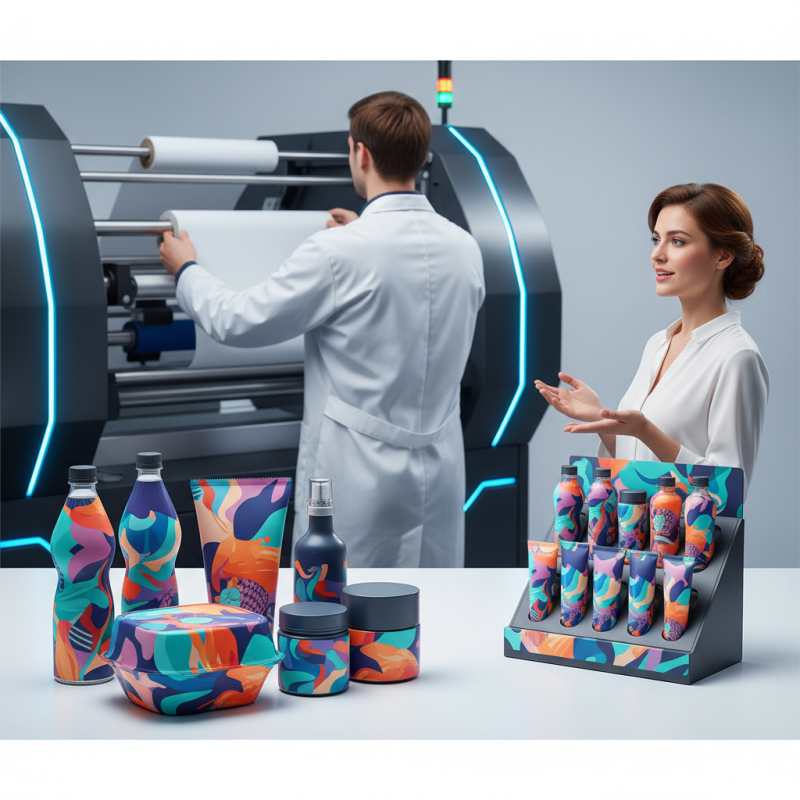
Shrink sleeves have emerged as a versatile solution in the packaging industry. These materials can provide a tight fit around a product, enhancing its shelf appeal. The global shrink sleeve label market is projected to grow from $4.3 billion in 2021 to $6.3 billion by 2026, according to industry reports. This growth reflects an increasing preference for shrink sleeves among manufacturers.
One advantage of shrink sleeves lies in their ability to conform to irregular shapes. This flexibility allows brands to utilize creative designs that capture consumer attention. Research indicates that consumers are 65% more likely to choose a product with eye-catching packaging. The 360-degree decoration provided by shrink sleeves also allows for more space for branding and information communication.
However, there are challenges to consider. Shrink sleeves require precise temperature control during the application process. Poorly executed heat adjustments can lead to wrinkles or uneven shrinkage. Additionally, the materials used in shrink sleeves can impact recyclability. Brands must rethink their choice of materials to align with sustainability goals. Balancing aesthetic appeal with environmental considerations remains an ongoing reflection for the industry.
Choosing the Right Materials for Shrink Sleeves in Your Packaging
When choosing materials for shrink sleeves, consider both functionality and aesthetics.
Polyolefin is a popular choice for its clarity and durability. It provides a high-quality finish and handles temperature variations well.
PVC is another option, known for its cost-effectiveness and ease of printing. However, it may not withstand extreme temperatures as effectively as polyolefin.
Selecting the right thickness is also essential. Thinner materials may save costs, but they can compromise strength and protection. A trade-off exists between flexibility and durability.
Test various thicknesses to see which best fits your product. Always consider the product's weight and shape as well.
Another factor is the environmental impact of your materials. While some options are more eco-friendly, their performance might not meet your needs. Aim for a balance.
It’s important to reflect on your choices and their long-term implications for your brand.
Seek expert opinions to ensure you make informed decisions that align with both quality and sustainability goals.
Step-by-Step Guide to Applying Shrink Sleeves on Products
Applying shrink sleeves to products can enhance their presentation and protection.
To start, ensure your items are clean and dry. This step is crucial. Any dust or moisture can affect adhesion.
Next, cut the shrink sleeve to the appropriate size. Remember, a snug fit is essential for the best results.
Tips: Always test a small batch first. This helps identify any issues before large-scale production.
Adjust the heat settings on your shrink wrap machine for optimal results.
After placing the sleeve on your product, move to the heat source. Be cautious with the temperature.
Too high can lead to burns. Instead, aim for even heating to avoid wrinkles. Watch for the sleeve to shrink evenly.
It should conform smoothly to your product's shape.
Tips: Monitor the heating time closely. Too long can cause distortion.
Regularly check the equipment for wear and tear. Maintenance matters in ensuring consistent quality.
Best Practices for Heating and Shrinking Sleeves Effectively
Shrink sleeves are gaining popularity in packaging for their versatility and visual appeal. Heating and shrinking sleeves effectively requires careful attention to best practices. According to industry reports, nearly 30% of packaging failures are attributed to improper heat application. Ensuring even heat distribution is critical to achieving desired shrink results.
One effective method is to use a heat gun or shrink tunnel. A heat gun provides precise control, allowing you to focus on specific areas. This helps avoid overheating, which can lead to unsightly wrinkles or tears. A shrink tunnel, in contrast, can provide consistent results for larger production runs. Aim for a temperature range between 300°F and 400°F for optimal results.
**Tip:** Always conduct tests before full production. Different materials react differently to heat. Also, check that your sleeves have been correctly aligned on the product. Misalignment can lead to inconsistent shrinking, affecting the final presentation.
Another common issue arises from uneven heat exposure. Packaging with defined corners often requires extra attention. For these areas, make sure to direct heat carefully to ensure a snug fit. Understanding your materials and their specific shrink ratios can drastically improve your end product.
How to Effectively Use Shrink Sleeves for Packaging
This chart illustrates the best practices for using shrink sleeves in packaging, highlighting the optimal temperature for heating, desired shrinkage ratio, effective speed of heating, and appropriate material thickness.
Maintaining Quality and Performance of Shrink Sleeved Products
Shrink sleeves have become a popular choice for packaging due to their versatility and aesthetic appeal. Maintaining the quality of shrink sleeved products involves understanding the materials and application processes. Choosing the right sleeve is crucial. Some materials may not adhere well or might break during the shrinking process. Testing different options can help find the best fit for your product.
Proper application also influences quality. Heat settings must be accurately calibrated. Too little heat may result in loose sleeves, while excessive heat can cause damage. Regular maintenance of the shrink tunnel is essential for consistent results. Documenting the performance of various setups can reveal best practices over time.
After applying shrink sleeves, conduct quality checks. Look for imperfections like bubbles or wrinkles. Assess the product's overall presentation and durability. This phase often requires multiple iterations to perfect. Feedback from customers can also guide improvements. Engaging with your team about challenges faced during the process fosters solutions.
How to Effectively Use Shrink Sleeves for Packaging? - Maintaining Quality and Performance of Shrink Sleeved Products
| Item |
Shrink Sleeve Material |
Temperature Requirement (°C) |
Application Type |
Optimal Storage Conditions |
| Water Bottles |
PVC |
150 - 180 |
Full Body Sleeving |
Cool, Dry Place |
| Cosmetic Jars |
PETG |
160 - 190 |
Tamper Evident |
Room Temperature |
| Food Containers |
PLA |
120 - 150 |
Wrap Around |
Avoid Humidity |
| Beverage Cans |
OPS |
140 - 175 |
Full Body Sleeving |
Cool and Dark |
| Pharmaceuticals |
PVDC |
140 - 160 |
Tamper Evident |
Dry Place |