10 Corrugated Box Buying Tips for Global Buyers
Buying a corrugated box for international shipments is not simply a price comparison. It is a protection decision, a logistics decision, and sometimes a sustainability decision. A box that looks strong in a supplier’s showroom may soften after days in humid containers. Its flaps may also fail when pallets are stacked too tightly.
Packaging consultant Lisa McTigue Pierce offers a useful reminder: “Packaging must protect the product, communicate value, and support the supply chain.” That principle guides this article, “10 Corrugated Box Buying Tips for Global Buyers.” The discussion covers board grades, flute profiles, bursting strength, edge crush testing, moisture resistance, print quality, dimensions, supplier audits, and total landed cost. It also considers how regional handling conditions can change performance.
Small details matter. A two-millimeter size error can waste valuable container space. An attractive print can still hide weak board. A low unit price may become expensive after damage claims, replacement freight, or delayed delivery. Global buyers should request samples, test real packing methods, and confirm specifications in writing. Do not rely on promises alone.
The process is rarely perfect. Test results can vary between production batches. Freight routes can change unexpectedly. Even experienced buyers sometimes overlook warehouse humidity. That is why a reliable sourcing plan needs documented tolerances, clear inspection points, and honest communication. This guide aims to make those decisions more practical, while recognizing that the “best” corrugated box depends on the product, route, climate, and handling environment.

Define Box Requirements, Product Specifications, and Intended Use
10 Corrugated Box Buying Tips for Global Buyers
Define the box before requesting a quotation. Record product dimensions, weight, fragility, stacking pattern, and shipping route. A 20-kilogram machine part needs different protection from lightweight textiles. Measure the packed product, not the product alone. Leave space for cushioning, but avoid unnecessary voids. The Global Corrugated Packaging Market report by Smithers projects continued growth through 2028, driven by e-commerce and distribution demands. This growth makes specification discipline more important, not less.
Tip: Ask for board grade, flute profile, edge crush test, burst strength, and box compression test values. These terms describe performance more clearly than “heavy-duty.” Consider humidity, temperature changes, pallet height, and handling frequency. The International Safe Transit Association emphasizes testing packages under realistic transport hazards, including vibration, compression, and drops. A dry warehouse test may not represent a humid sea shipment. That assumption can be expensive.
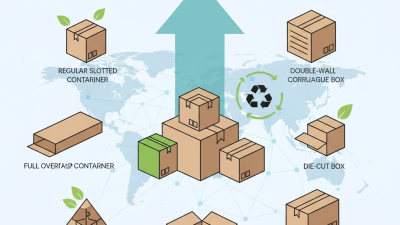
Tip: Match the design to its intended use. Choose regular slotted cartons for standard packing, or custom structures for irregular products. Confirm internal dimensions in millimeters, print requirements, closure method, and maximum gross weight. Recycled fiber can support sustainability goals, but moisture resistance and strength may change. I have seen buyers specify recycled content first and performance second. That order needs reconsideration. Request samples, test results, and a trial shipment before approving large-volume production.
10 Corrugated Box Buying Tips for Global Buyers — Define Box Requirements, Product Specifications, and Intended Use
Selecting the correct flute profile helps buyers balance protection, stacking strength, cushioning, weight, and shipping efficiency. The thickness values below are typical industry ranges and may vary according to paper grades, moisture resistance, and conversion methods.
Use thinner E-flute board for compact retail packaging and fine printing, B-flute for general-purpose shipping cartons, C-flute for stronger cushioning and stacking performance, and BC double-wall board for heavier products or demanding export transport. Before requesting quotations, confirm internal dimensions, product weight, flute type, board grade, stacking conditions, moisture exposure, closure method, print requirements, pallet configuration, and destination regulations.
Evaluate Suppliers, Manufacturing Standards, and Export Experience
10 Corrugated Box Buying Tips for Global Buyers
When evaluating a corrugated box supplier, inspect production evidence rather than polished samples. Request recent reports for edge crush strength, bursting strength, moisture resistance, and compression testing. These results should identify the board grade, test method, production batch, and laboratory. Ask for evidence. Not promises.
Manufacturing standards reveal process discipline. Check whether the factory maintains ISO 9001 quality controls, documented calibration, and traceable corrective actions. For food, pharmaceutical, or sensitive goods, verify suitable material declarations and migration testing. The International Organization for Standardization reports that ISO 9001 remains the world’s most widely adopted quality-management standard, with over one million certificates issued globally. Certification alone is insufficient. Audit the process behind it.
Export experience reduces avoidable surprises. Review shipment records, packaging specifications, pallet patterns, and damage claims from comparable destinations. Ask how the supplier manages humidity changes, container loading, port delays, and language differences. The World Bank’s Logistics Performance Index shows that customs, infrastructure, and shipment reliability vary significantly between markets. A supplier experienced with one region may still struggle elsewhere. Consider trial orders across two seasons, especially during monsoon or winter conditions. My own purchasing reviews have found that a cheaper box can create higher costs through crushing, relabeling, and rejected deliveries. Supplier references should be independently checked, not merely collected.
Compare Pricing, Minimum Orders, Samples, and Production Timelines
10 Corrugated Box Buying Tips for Global Buyers
When buying corrugated boxes internationally, compare the full landed cost, not only the unit price. Request quotations using the same board grade, dimensions, print coverage, and packaging method. A low price may exclude tooling, inland delivery, export cartons, or inspection fees. Ask whether prices change with paper costs or currency movements.
I once underestimated pallet space, and the extra freight reduced the expected savings.
Tips: Confirm the minimum order quantity before requesting custom production. Ask for samples made with the same board structure and printing process. Check flute direction, compression strength, moisture resistance, edge quality, and folding accuracy. Measure the sample after delivery. Small differences matter.
Request a sample approval record with photos and written specifications. Clarify whether sample charges are refundable. Compare production timelines from payment to finished goods, not from quotation to shipment. Add time for artwork approval, testing, and port delays.
A reliable supplier should explain each timeline clearly and identify possible bottlenecks. Ask for a production schedule with material purchasing, printing, die-cutting, packing, and dispatch dates. Confirm the inspection point and acceptable defect limits before production starts.
For large orders, consider a staged shipment rather than waiting for every box. This can reduce warehouse pressure, but it may increase freight costs. Be realistic about forecasts.
Buyers sometimes request urgent delivery, then delay artwork approval themselves. A written purchase specification protects both sides and makes later comparisons more accurate.
Verify Quality, Packaging Compliance, Shipping, and After-Sales Support
Global corrugated box buying starts with evidence, not attractive samples.
Ask for board grade, flute profile, burst strength, edge crush results, and moisture limits. Request recent inspection records from an independent laboratory when shipment value is high. Test boxes with your actual product, inserts, and pallet pattern. Test them carefully. Check compression after humidity and temperature changes. Record dimensions, seams, print colors, and measurements before production approval. Small deviations become expensive at scale.
Packaging compliance needs a destination-specific review.
Confirm recycled content claims, labeling, ink safety, pallet treatment, and waste-sorting requirements with a qualified local adviser. Requirements can differ between countries, ports, and product categories. Do not accept “compliant” as enough. Ask for written specifications and supporting documents. One common oversight is strapping and corner protection. These parts also affect safe handling and damage rates. No checklist is perfect. A trial order may still miss seasonal humidity problems.
Shipping plans should match box performance.
Confirm container loading, moisture barriers, stacking limits, and delivery milestones. Photograph pallets before sealing and inspect cartons upon arrival. Count crushed corners, wet panels, and shifted loads. Share findings quickly with the supplier. A useful after-sales agreement defines response times, replacement terms, investigation steps, and corrective actions. Ask who pays when defects are confirmed. Clear escalation contacts prevent avoidable disputes. Even careful buyers sometimes discover gaps late.