Top 10 Printed Packaging Solutions Boosting Your Business How?
In today's competitive market, businesses are constantly seeking innovative ways to stand out. Printed packaging has emerged as a vital tool not only for branding but also for enhancing customer experience. As industry expert Sarah Collins, a leading figure in sustainable packaging solutions, once stated, "Printed packaging is more than just a wrapper; it's a pivotal part of the brand story." This insight captures the essence of how printed packaging can elevate a brand's presence.
Printed packaging serves multiple purposes. It protects products, communicates value, and engages consumers on a deeper level. High-quality designs and printing methods can create an emotional connection with customers. However, companies often underestimate the importance of this element. They might focus on products while overlooking the packaging. This oversight can lead to missed opportunities for differentiation and connection.
Moreover, the choices in printed packaging can influence customers’ perceptions significantly. Brands that invest in eye-catching designs enjoy higher recall and recognition. Think about it: a beautifully printed package often makes customers pause. They may share it on social media, amplifying brand visibility. Nonetheless, many businesses struggle to innovate in their packaging design. This challenge could stem from a lack of resources or a fear of moving away from the familiar. Embracing printed packaging could be the key to unlocking new growth potential.
The Role of Printed Packaging in Brand Identity and Recognition
Printed packaging plays a crucial role in establishing a brand's identity. It serves as the first touchpoint between consumers and products. Unique designs and colors can instantly evoke emotions. This helps customers to remember a brand, fostering loyalty over time. Effective packaging tells a story. It reflects the values and mission of the brand. If it fails to connect, the emotional bond weakens.
The visual appeal of printed packaging influences purchasing decisions. High-quality graphics attract attention on crowded shelves. Text and imagery should align with the brand essence. However, not all packaging achieves this. Some designs may lack clarity. Others might be too busy, confusing potential buyers. Brands need to avoid overcomplicating their visuals. Simplicity often leads to clearer communication.
Moreover, consistency in packaging helps enhance brand recognition. Using the same color palette and fonts reinforces identity. This creates a cohesive look across all products. Consumers rely on this familiarity when making choices. Yet, brands must remain open to evolution. As markets change, packaging should adapt while maintaining core elements. Balancing tradition and innovation is key.
Key Metrics: How Printed Packaging Influences Consumer Purchasing Decisions
Printed packaging plays a crucial role in influencing consumer purchasing decisions. Attractive designs can grab attention and create a memorable experience. Colors, textures, and materials all contribute to how your product is perceived. Marketers should understand these elements to optimize their packaging strategies.
When designing printed packaging, keep it simple. Complicated designs can confuse potential buyers. Ensure that the product is clearly labeled and easy to identify. Minimalism often resonates more strongly with consumers. Bold typography and vivid colors can also enhance visual appeal. It's essential to maintain brand consistency throughout your packaging.
Tips for effective printed packaging: Use sustainable materials as eco-friendliness attracts modern consumers. Incorporate QR codes for an interactive experience. Test different designs to see what resonates best with your target audience. Reflect on what competitors are doing, but strive to differentiate your offer. Each detail matters in creating a strong first impression.
Impact of Printed Packaging on Consumer Purchasing Decisions
Innovative Materials and Techniques in Printed Packaging Solutions
Printed packaging has evolved significantly, leveraging innovative materials and techniques to enhance brand visibility and functionality. Recent studies indicate that the global printed packaging market is expected to reach $500 billion by 2025, demonstrating the growing importance of packaging in consumer engagement.
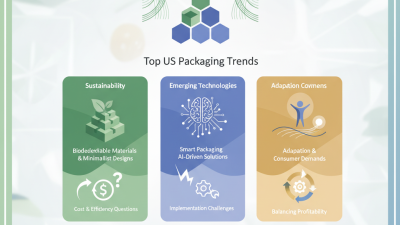
One notable trend is the shift towards sustainable materials. Brands are increasingly using biodegradable and recyclable options. This move not only satisfies consumer demand for eco-friendly products but also aligns with environmental regulations. In fact, a report by Smithers Pira states that sustainable packaging will account for 40% of the market by 2024.
**Tip:** Consider using plant-based inks and recycled materials in your designs. This can strengthen your brand's commitment to sustainability.
Additionally, advancements in digital printing technology have enabled brands to create customized packaging solutions. These solutions offer flexibility in design and reduce lead times. They also allow for small batch production, catering to niche markets. A survey from Packaging Innovations reveals that 60% of consumers prefer products with unique packaging.
**Tip:** Utilize variable data printing for personalized packaging. This can enhance customer experience and drive loyalty.
While these innovations provide great opportunities, businesses must also reflect on the balance between creativity and practicality. The challenge lies in maintaining production efficiency while adopting new techniques.
Sustainability Trends in Printed Packaging: Future-Proofing Your Business
Sustainability is reshaping the printed packaging industry. Many businesses are now prioritizing eco-friendly materials. This aligns with consumer preferences for greener options. Choosing sustainable inks and biodegradable substrates can reduce environmental impact. These choices often resonate with environmentally-conscious consumers.
However, implementing sustainable practices is not without challenges. Sourcing sustainable materials can be costlier. Companies may face logistical hurdles in adapting their supply chains. Additionally, the effectiveness of sustainable packaging in protecting products must be considered. It’s essential to strike a balance between sustainability and functionality.
Evaluating the long-term benefits of these practices can help in decision-making. Investing in innovative designs can also attract a new audience. Businesses should continually assess their sustainability efforts. Learning from each step can lead to better strategies in the future. This commitment to improvement demonstrates genuine responsibility and enhances brand trust.
Case Studies: Successful Brands Leveraging Printed Packaging for Growth
Printed packaging is essential for brand growth. Many successful brands have leveraged its power to enhance their market presence. A study by Smithers Pira suggests the global printed packaging market will reach $500 billion by 2024. This growth indicates how crucial packaging is for attracting consumers.
One notable example comes from the beverage industry. A report by the Paper and Packaging Board highlights that over 70% of customers are influenced by packaging design. A beverage company implemented vibrant, eco-friendly packaging and saw a 20% increase in sales within six months. This not only boosted sales but also improved brand perception among environmentally-conscious consumers.
Yet, it's essential to reflect on potential challenges. Some brands focus solely on aesthetics, neglecting functionality. This resulted in complaints regarding ease of use. Moreover, while many brands invest in innovative designs, not all measure the return on investment effectively. Balancing innovation and practicality is crucial for sustainable growth.