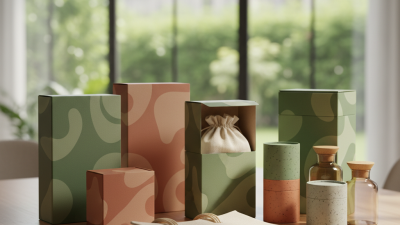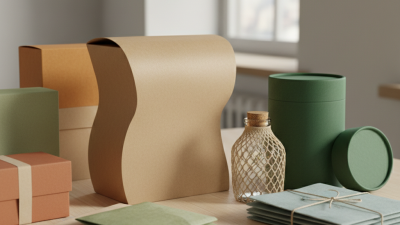
Top 10 Printed Packaging Trends for Global Buyers to Explore?

In recent years, printed packaging has gained significant traction in the global market. According to a report by Smithers Pira, the printed packaging market is expected to reach $500 billion by 2028. This growth stems from increased consumer demand for visually appealing packaging that enhances brand recognition. The push for sustainability also drives innovation in printed packaging materials, aligning with the expectations of environmentally conscious consumers.

Brands are now prioritizing flexibility and customization in printed packaging. An impressive 70% of consumers prefer products with unique, tailored packaging designs. However, while this trend is promising, the challenge remains to balance creativity with production costs. The importance of high-quality printing technology cannot be overstated, as it directly impacts the overall customer experience. Companies must navigate these complexities to maintain competitiveness in a crowded market.

Moreover, the latest trends include smart packaging solutions, which incorporate technology for better consumer interaction. Yet, there are concerns about the longevity of such technologies and their environmental impact. Despite these reflections, the future of printed packaging looks bright, driven by both consumer preferences and technological advancements. This dynamic landscape presents opportunities and challenges for global buyers to explore innovative solutions.
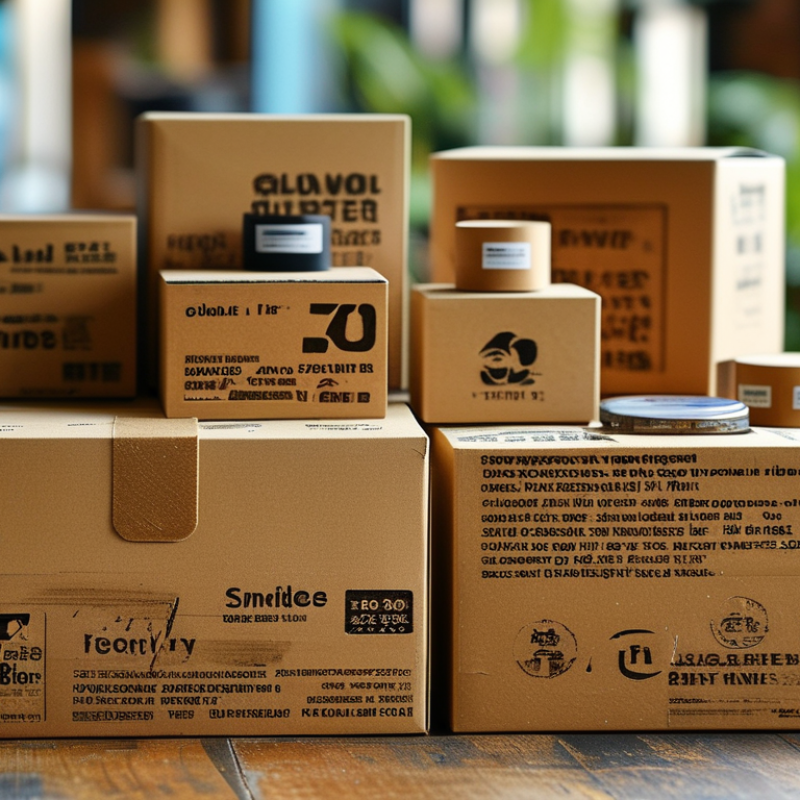
Top 10 Printed Packaging Trends for Global Buyers to Explore?

Innovative Materials Shaping Printed Packaging Trends

Innovative materials are continually reshaping the landscape of printed packaging. These materials enhance sustainability and performance while meeting consumer demands for eco-friendly options. Biodegradable films and recycled paper offer options that reduce environmental impact. Many companies explore plant-based inks, which are safer for both products and the planet. These innovations reflect a growing responsibility toward sustainable practices.

Another trend is the use of smart packaging technologies. Integrating QR codes or NFC chips allows brands to connect with consumers. This innovation also provides essential information about ingredients and recycling. However, managing such technology can be challenging. Brands must ensure their audiences understand how to engage with these features. Striking a balance between innovation and consumer education is crucial.

Meanwhile, the aesthetic aspect should not be overlooked. Textured surfaces and vibrant colors can capture attention. Brands must experiment with designs that reflect their identity. Yet, focusing solely on appearance might result in overlooking durability or functionality. Packaging should not only look good but also perform well in various conditions. The pursuit of visual appeal must be carefully balanced with practicality.

Eco-Friendly Packaging Solutions Gaining Popularity

Eco-friendly packaging solutions are becoming increasingly popular among global buyers. The demand for sustainable options is growing, driven by environmental concerns. Companies are now prioritizing materials that minimize waste and reduce carbon footprints.

Consider using biodegradable materials. These options break down naturally over time, reducing landfill impact. Recyclable packaging also plays a vital role in sustainable practices. Think about how your packaging can support a circular economy. It’s essential to choose designs that encourage reuse and recycling.

Tips for eco-friendly packaging:

  • Consider using plants. Materials like kelp and mushroom offer unique packaging solutions.
  • Opt for minimalistic designs. Less material often means lower environmental impact.
  • Educate your customers about recycling your packaging. Help them understand the right disposal methods.

Reflect on your packaging choices. Are they environmentally friendly, or could they improve? Small changes can have a significant impact. Embrace innovation and sustainability together.

Personalization and Customization in Printed Packaging

Personalization and customization in printed packaging have become crucial trends for brands aiming to connect with consumers. Reports show that 79% of buyers prefer products that reflect their personal style. This trend isn't just about aesthetics; it reflects a deeper understanding of consumer preferences. Brands using personalized packaging can enhance customer loyalty. This strategy aligns with a growing consumer demand for unique products tailored to individual tastes.

The market for customized packaging is projected to grow significantly. According to industry insights, the global personalized packaging market is expected to reach $50 billion by 2026. Custom designs and unique printing techniques allow brands to convey their narratives. A recent survey indicated that 60% of consumers feel more inclined to purchase from brands that offer customized packaging options.

However, the challenge lies in balancing cost and creativity. Some brands struggle to implement such strategies efficiently. The demand for eco-friendly materials adds another layer of complexity. As consumers become more environmentally conscious, brands must reflect these values in their packaging choices. The road to successful personalized packaging is filled with dilemmas that require careful navigation.

Technological Advancements Driving Packaging Design

Advancements in technology are transforming the packaging industry. Digital printing is one significant development. This technology enables quicker turnaround times and offers high customization. Brands can now create packaging that reflects their identity. It allows for unique designs and vibrant colors that attract consumers.


Another trend is the rise of smart packaging. With QR codes and NFC tags, consumers engage with products beyond the shelf. This technology provides information about the product, enhancing the user experience. However, there are challenges. Not every brand can fully utilize these advancements. Smaller companies may struggle with costs and access to technology.


Sustainable packaging is also gaining traction. Eco-friendly materials are now essential for many consumers. Brands adopting sustainable methods face hurdles as well. There is often a balance to strike between sustainability and durability. Navigating these choices requires careful thought and continued innovation.

Consumer Preferences Influencing Packaging Aesthetics and Functionality

Consumer preferences are rapidly changing the landscape of printed packaging. Today's buyers seek not just functionality but also a visual appeal that resonates. For instance, vibrant colors and unique textures can grab attention on crowded shelves. Sustainable materials are becoming a necessity, as more consumers opt for eco-friendly options. Brands must adapt to this shift to avoid losing market relevance.

Design plays a crucial role in consumer decisions. Packaging that tells a story or reflects the brand ethos can create a stronger connection with buyers. However, there are challenges. Striking a balance between aesthetics and production costs is not easy. Many companies face limitations in material choices. As trends shift, some brands struggle to keep up with consumer expectations. Not all efforts are successful, and this can lead to wasted resources and missed opportunities.

Functionality should not be overlooked. Easy-to-open designs and resealable features enhance the user experience. However, implementing these features can complicate the design process. Some packages end up being bulky or difficult to recycle, causing frustration. This creates a need for continuous improvement in design and materials. Companies must be willing to iterate and refine their packaging strategies to better meet consumer demands.

Top 10 Printed Packaging Trends for Global Buyers to Explore

Trend Description Consumer Preference Functionality
Sustainable Materials Using eco-friendly and recyclable materials for packaging. High demand for environmentally responsible packaging. Improves brand image and loyalty.
Minimalistic Designs Simplicity in packaging designs with clean lines and fewer graphics. Preference for elegance over complexity among consumers. Easy to identify products quickly.
Smart Packaging Integration of technology such as QR codes and NFC for interactive features. Increasing interest in enhanced consumer engagement. Provides product authenticity and traceability.
Personalized Packaging Custom packaging designs tailored to individual consumer preferences. Growing demand for unique and customized experiences. Enhances customer satisfaction and brand loyalty.
Bold Typography Use of striking fonts and text placements to capture attention. Preference for eye-catching designs that convey messages effectively. Communicates product benefits clearly.
Vivid Colors Incorporating bright and striking colors into packaging designs. Consumers are attracted to vibrant aesthetics. Enhances visibility on shelves.
Functional Design Creating packaging that is practical and easy to use. Increasing preference for convenience in packaging. Consumers appreciate multi-use capabilities.
Texture and Finish Utilizing tactile features and finishes that add a sensory element. Consumers enjoy unique tactile experiences. Enhances perception of product quality.
Transparent Packaging Showcasing the product through clear packaging options. Consumers prefer to see the product before purchasing. Builds trustworthiness and product appeal.
Innovative Shapes Creating unique and unconventional packaging shapes. Attracts attention in competitive markets. Enhances brand identity and memorability.
Scroll to Top