Top 10 Types of Carton Boxes for Packaging
A carton box may look simple on a warehouse shelf, but its shape affects protection, stacking, shipping cost, and the moment a customer opens it. Folding cartons, corrugated cases, rigid boxes, and specialty designs solve different problems. Choosing well means matching the structure to the product, its journey, and the way people handle it. Small details matter. A crushed corner can undo careful branding.
The U.S. Environmental Protection Agency’s 2018 Advancing Sustainable Materials Management report recorded a 68.2% recycling rate for paper and paperboard overall. That figure is not specific to carton boxes, so it should not be treated as a carton-only result. Still, it shows why material choice and clear disposal information deserve attention. Packaging scholar Dr. Susan Selke’s work offers a useful principle, condensed here rather than presented as her verbatim words: “Protect the product before polishing the package.” This guide compares ten common carton box types, with practical differences in strength, presentation, and use. The trade-offs are not always neat. A premium finish may add weight, while a lighter design may need extra protection in transit. Knowing those compromises helps buyers ask better questions and choose packaging that works beyond the product photo.
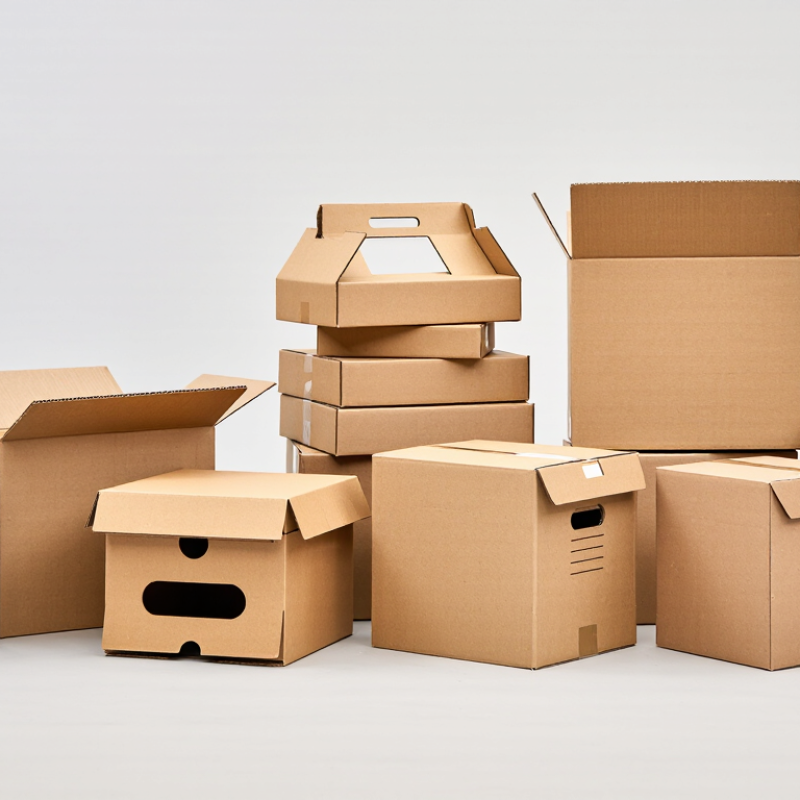
What Carton Boxes Are and How They Function in Packaging
Carton boxes are shaped paperboard or corrugated-paper containers that protect, group, and present products during storage and transport. Their panels create a lightweight shell; folds, flaps, and glued seams turn flat sheets into usable packages. Corrugated cartons add a fluted inner layer between linerboards. That air-filled structure helps absorb impacts, while the outer faces provide room for labels and handling details. The fit matters: a carton that is too large can let items shift, while a tight fit may crush delicate contents.
Cartons also help manage material use and recovery. The U.S. Environmental Protection Agency’s 2018 Facts and Figures report estimated that 32.1 million tons of corrugated boxes were recycled out of 33.3 million tons generated. That historical figure shows the scale of corrugated recovery, not a guarantee that every box will be recycled. Clean, dry cartons are easier to sort; food residue, coatings, and mixed materials can complicate processing. In practice, packaging designers balance protection, shipping weight, print needs, and end-of-life handling. The trade-offs are not always neat. A sturdy box can still be wasteful if its dimensions are poorly matched to the product.
How Carton Boxes Are Classified by Design and Use
Carton boxes are classified by how their panels fold, how they close, and what they protect. A regular slotted carton uses four flaps meeting at the center, making it practical for everyday shipping. Telescope boxes have separate lids and bases, useful when products need a snug fit or a neat retail presentation. Folder-style cartons wrap around flat items, while die-cut designs add shaped inserts or display windows. Simple differences matter. A carton that fits a book may not protect a glass jar without partitions or cushioning.
Use also shapes the choice. Lightweight folding cartons suit dry goods and shelf displays; corrugated cartons handle heavier loads and longer shipping routes. FEFCO’s 2021 European Database reported an 88% recycling rate for corrugated packaging in Europe. That figure supports the value of choosing recyclable formats, but it does not mean every box is automatically recyclable; coatings, tapes, and local collection rules can affect recovery. Measure the packed product, not just the item. Leave enough room for cushioning, then test the box through stacking and handling.
Tips: Match the box style to the product’s weight, fragility, and route. A small jar can rattle inside a box that looks correctly sized. Check closure strength and insert fit with a sample pack before ordering in volume. It is easy to overdesign packaging; sometimes a simpler carton performs better.
Ten Common Types of Carton Boxes for Packaging
Folding cartons are lightweight and ship flat, making them common for cosmetics, snacks, and small household goods. Corrugated boxes use fluted layers to cushion heavier items during transit. They handle rougher journeys, though oversized boxes can waste space. Rigid boxes hold their shape and often protect premium gifts or electronics. Mailer boxes have locking flaps and can be packed without extra tape. Convenient, but not indestructible.
Sleeve boxes slide over an inner tray and work well for products that benefit from visible layers. Tuck-end cartons close with flaps at one or both ends, offering a simple option for retail packaging. Gable boxes have a built-in handle, useful for takeaway meals or small gifts. Tray cartons keep products upright and accessible on shelves. Drawer boxes pull open with an inner sliding section; they feel sturdy but take more material. Partition cartons use dividers to separate bottles, jars, or other items that might knock together.
The right choice depends on product weight, dimensions, and how the box will be handled. A snug fit reduces movement, while a little clearance may be needed for cushioning. Test a packed sample before ordering in volume. It is easy to overlook humidity, stacking, or awkward hand placement during packing.
Materials and Construction Features of Carton Boxes
Carton boxes can look similar on a shelf, yet their materials affect strength, print quality, and handling.
Folding cartons are usually made from paperboard, which bends along scored lines and suits products that need a neat, lightweight package. Corrugated board adds a fluted inner layer between flat sheets. That air-filled structure cushions impacts and supports heavier contents.
Small detail.
The flute profile and board thickness should match the item’s weight and shipping conditions.
Recycled fibers can reduce demand for virgin pulp, but their quality varies with fiber length and processing. A box made with recycled content may need a different thickness or board grade to achieve the same stiffness. Coatings can improve resistance to scuffs or brief moisture exposure, while also affecting print and recycling options.
They are not a cure for leaks.
For dry goods, an uncoated surface may be enough; for chilled or damp environments, testing matters.
Construction features matter just as much as the sheet itself.
Scored folds help panels form clean corners, and glued seams must hold without excess adhesive squeezing inside. Locking tabs can avoid glue, though they may take longer to assemble. I check how a box behaves when filled, stacked, and opened—not just how it looks flat.
One trade-off is easy to miss: stronger board can add weight and storage bulk, so the best choice is not always the thickest one.
How to Select a Carton Box for a Product and Its Supply Chain
Choosing a carton box starts with the product, not the catalog. Measure its length, width, and height, then allow room for a protective insert without letting the item shift. A folding carton may suit a light retail product, while a corrugated box offers more cushioning for heavier or fragile goods. Check the product’s weight and weak points. A glass edge needs different protection from a soft fabric fold.
Then consider the journey. Will cartons be stacked on a pallet, handled by hand, or exposed to damp storage? Corrugated board strength, box dimensions, and closure method all affect damage risk. A snug box can reduce movement and shipping volume, but an overly tight fit may crush corners or slow packing. Test it first. Pack a sample, stack it, and inspect it after a realistic handling trial. That matters.
The packaging line also shapes the choice. An automatic sealer may need consistent box dimensions, while hand packing can tolerate more variation. If cartons travel through several warehouses, clear labels and durable seams help prevent confusion and opening. Ask suppliers for board specifications, and compare samples under actual conditions. Paper strength on a sheet is useful, but real-world performance can differ. I would not assume the lightest carton is always the most efficient; sometimes a small material saving creates more damaged returns. Recheck the choice when product size, shipping route, or packing speed changes.