What Are the Top Types of Printed Packaging?

Printed packaging does more than protect a product. It introduces the brand before the package is opened. On a crowded shelf, color, texture, typography, and structure can influence attention within seconds. Paul Rand, a respected identity and packaging designer, said, “Design is the silent ambassador of your brand.” His observation still applies to modern packaging.

This guide explores the top types of printed packaging, including folding cartons, corrugated boxes, flexible pouches, printed labels, paper bags, rigid boxes, and shrink sleeves. Each format serves a different purpose. Folding cartons suit retail products with detailed graphics. Corrugated boxes provide strength for shipping and e-commerce. Flexible pouches reduce material use, but they may create recycling challenges. Printed labels offer flexibility for changing product information and smaller production runs.

Practical packaging decisions require more than attractive artwork. Substrate selection, ink performance, coating, print accuracy, moisture resistance, and opening experience all matter. A carton that looks premium may crease during transport. A bold pouch may lose contrast under store lighting. Small details matter.

The best choice depends on product weight, distribution conditions, budget, shelf position, and sustainability goals. There is no universal winner. That is worth remembering.

This overview also considers digital, flexographic, offset, and gravure printing. It connects visual appeal with production reliability and responsible material choices. Some recommendations may remain imperfect because packaging performance changes across suppliers, markets, and real-world handling. Testing is essential. Samples should face compression, rubbing, moisture, and repeated handling before final production.
What Are the Top Types of Printed Packaging?

Definition and Role of Printed Packaging

What Are the Top Types of Printed Packaging?

Definition and Role of Printed Packaging

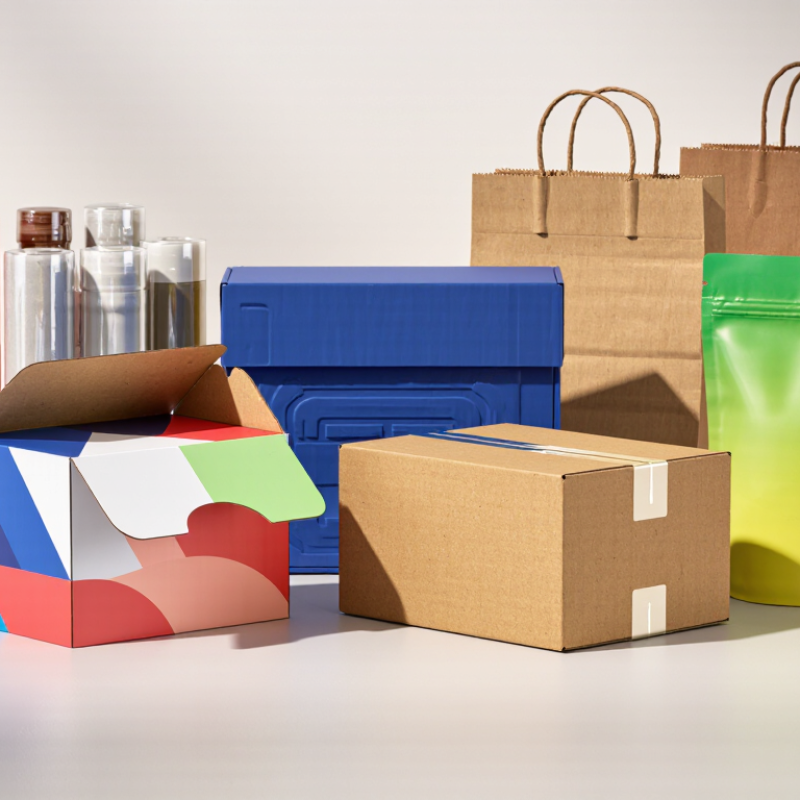
Printed packaging is more than decoration. It is a physical information system. It identifies contents, explains use, and protects meaning during handling. Common formats include folding cartons, flexible pouches, labels, paper bags, and corrugated boxes. Each format combines a substrate, ink, coating, closure, and printing process.

The role changes with product risk, shelf life, transport, and retail presentation. Small details matter. A smudged barcode can delay scanning. Weak contrast can reduce readability on a warehouse shelf. Smithers’ report, The Future of Global Packaging to 2028, estimates that the global packaging market will exceed 1.2 trillion dollars by 2028. A 2024 Grand View Research analysis valued the global flexible packaging market at approximately 201.6 billion dollars in 2023.

Printed packaging may use flexographic, gravure, offset, or digital printing. Digital printing supports short runs, design changes, and variable information without new plates. However, its unit cost can increase for large volumes. The cheapest method is not always the most suitable.

Trust also depends on legible claims, stable color, and clear opening instructions. ISO 12647 provides guidance for measurable print quality and color control. Still, visual consistency cannot prove material safety or environmental performance. Those claims require testing and traceable records. Packaging teams should check scuff resistance, ink adhesion, barcode quality, and moisture exposure before production. Attractive samples can fail after rubbing. That lesson is easy to overlook.

Paperboard Boxes and Cartons

Paperboard boxes and cartons remain leading types of printed packaging because they combine shelf visibility, structure, and efficient storage. Folding cartons suit cosmetics, food, household goods, and many other products. Their flat delivery reduces warehouse volume before filling. A carton also gives designers a broad printable surface for instructions, colors, and traceability details.

The Smithers report The Future of Global Paper-Based Packaging to 2029 estimates that paper-based packaging will continue expanding as converters improve lightweighting and fiber recovery. The report highlights stronger demand for recyclable formats and more efficient material use. In practice, a well-designed carton can use thinner board without losing stacking strength. However, thinner is not automatically better. Weak corners can collapse during transport, creating waste and customer complaints. That trade-off needs testing.

Printing choices affect both appearance and performance. Offset printing supports sharp images and fine text, while flexographic printing can suit larger production runs. Digital printing helps smaller batches and variable information, although unit costs may rise. The U.S. Environmental Protection Agency reported an 80.9 percent recycling rate for paper and paperboard containers and packaging in 2018. That figure supports paperboard’s recovery potential, but coatings, adhesives, and food residue still complicate sorting. Good packaging decisions require more than attractive artwork. They need board testing, realistic distribution trials, and careful review of local recycling systems.

Flexible Bags, Pouches, and Wrappers

Flexible bags, pouches, and wrappers remain major formats in printed packaging. They use less material than many rigid containers and fit tightly around products. The 2024 State of the Flexible Packaging Industry report estimates that U.S. flexible packaging sales reached $40.7 billion in 2023. That scale reflects strong demand from food, household, and personal-care applications.

Printed pouches often combine film layers for strength, barrier protection, and heat sealing. A matte surface can create a soft, premium feel, while glossy varnish makes colors look sharper. Flexographic printing suits large runs with repeated artwork. Digital printing supports shorter runs and faster design changes. Smithers’ The Future of Global Flexible Packaging to 2028 identifies digital printing as an important growth area for customized packaging. Small batches are becoming less risky.

Wrappers need precise tension control. Even a slight registration error can shift text away from the seal. During production checks, operators should inspect ink adhesion, scuffing, seal contamination, and barcode readability. Pouches can also reduce shipping volume, but recycling performance depends on their material structure and local collection systems. This is where packaging claims often become too confident. A recyclable label does not guarantee actual recovery. More testing is needed. Sometimes, a simpler print design is the better technical choice.

Labels, Sleeves, and Printed Tapes

Printed packaging turns ordinary surfaces into useful communication points. Labels suit jars, cartons, pouches, and shipping boxes. They can show product details, handling notes, batch references, and opening instructions. In my packaging reviews, label performance often depends on the surface, not only the artwork. A textured box may need stronger adhesive. Cold storage can also weaken adhesion. Test before approval. That simple step prevents peeling at the shelf.

Sleeves create a full or partial printed layer around containers. They work well when shape and shelf visibility matter. A sleeve can cover curves more evenly than a front label. It may also support tamper-evident presentation when designed with the container. However, tight corners, condensation, and poor sizing can cause wrinkles. Printed tapes add another practical layer. They seal cartons while carrying a pattern, message, or handling instruction. Their value is strongest during delivery, where plain tape can look unfinished. Tape still needs balanced adhesive strength. Too weak, and the carton opens. Too aggressive, and unpacking becomes frustrating.

Tips: Request physical samples, not only digital proofs. Check colors under store lighting. Rub the print with dry and slightly damp fingers. Measure sleeve overlap and tape adhesion after 24 hours. Keep critical text large enough to read quickly. I once underestimated a curved container, and the sleeve shifted during testing. That mistake was avoidable. Packaging deserves real-world checks.

Rigid Containers and Specialty Printed Packs

What Are the Top Types of Printed Packaging?

Rigid Containers and Specialty Printed Packs

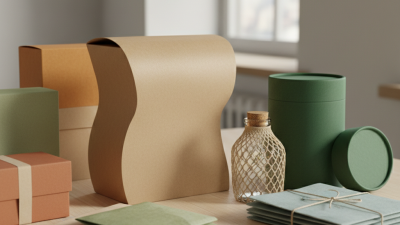
Rigid containers remain a strong choice when protection and shelf presence matter. They include folding cartons, set-up boxes, tins, tubes, and molded containers. Their firm structure helps prevent crushing during storage and delivery. Printed surfaces also provide space for instructions, product details, and clear visual hierarchy. In practice, packaging teams should check board thickness, closure strength, and print adhesion before production. A beautiful carton is not useful if its corners collapse.

Specialty printed packs create a more specific experience. Embossed panels, textured coatings, metallic details, and die-cut windows can guide attention without adding excessive decoration. Small cosmetic boxes may use soft-touch finishes, while food cartons often need scuff resistance and reliable ink performance. Specialty formats can also include sleeves, sample packs, inserts, and limited-size presentation boxes. Keep the handling experience practical. A difficult opening can frustrate customers.

Material selection deserves careful review. Recycled content may support sustainability goals, but it can affect color consistency and surface smoothness. Dark inks may appear different across paper batches. This is easy to overlook. Packaging developers should request press proofs, test rub resistance, and inspect finished samples under normal lighting. I have seen teams focus heavily on appearance while underestimating shipping conditions. Printed packaging works best when design, structure, production limits, and real handling are evaluated together.

Scroll to Top